

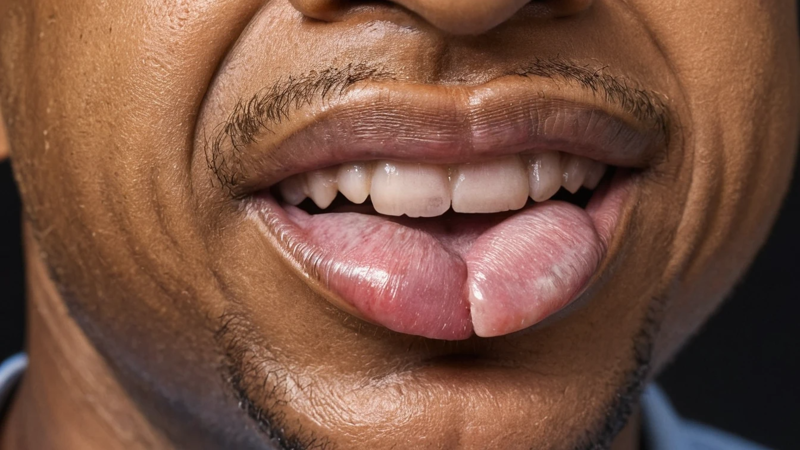
Hyperpigmentation on tongue explained simply. Learn causes, symptoms, treatments, and when to worry in this easy, expert guide.
Hyperpigmentation on tongue refers to dark patches, spots, or discoloration on the tongue caused by melanin buildup, medical conditions, medications, or lifestyle factors. Most cases are harmless, but some may signal underlying health issues that need medical attention.
Hyperpigmentation On Tongue: Causes, Symptoms, And Easy Solutions 👅
Ever noticed dark spots or patches on your tongue and instantly felt worried? You’re not alone. Many people panic when they see tongue discoloration because it looks unusual and unexpected. But here’s the truth — hyperpigmentation on the tongue is often harmless and common.
In simple terms, hyperpigmentation on tongue means darker areas on the tongue due to increased pigment or external factors. It can appear brown, black, purple, or bluish. While most cases are benign, some may point to nutritional issues, medications, or oral conditions. Understanding the root cause helps you stay calm and take the right steps.
What Is Hyperpigmentation On Tongue? 🧠
Hyperpigmentation on tongue is a condition where parts of the tongue become darker than normal. This happens due to excess melanin production or staining from external sources. It may appear as spots, patches, or an overall darker tone.
Your tongue naturally has a pink color because of blood flow and tissue health. When pigment changes occur, the color shifts to brown, black, or even bluish shades. This change can be temporary or long-lasting depending on the cause. In most cases, it does not cause pain or discomfort.
Sometimes, people confuse normal pigmentation with disease. But natural variations exist, especially in people with darker skin tones. The key is observing changes in size, texture, or symptoms. Sudden changes may need medical evaluation.
Is Tongue Hyperpigmentation Normal Or Dangerous? ⚠️
In many cases, tongue hyperpigmentation is completely normal and harmless. Natural pigmentation can occur due to genetics or harmless oral changes. If there is no pain, swelling, or sores, it is usually not dangerous.
However, sudden dark patches with other symptoms may need attention. Warning signs include bleeding, rapid growth, or persistent pain. These symptoms could indicate infections or rare oral disorders. So, awareness is very important.
Here’s a quick safety breakdown:
| Condition Type | Risk Level | Should You Worry? |
| Natural Pigmentation | Low | No |
| Medication Staining | Low | Rarely |
| Nutritional Deficiency | Moderate | Yes |
| Oral Disease | High | Immediate Check |
Common Causes Of Hyperpigmentation On Tongue 🔍
There are many possible reasons for dark pigmentation on the tongue. Some are harmless lifestyle factors, while others relate to health conditions. Identifying the exact cause helps in proper treatment.
The most common causes include:
- Smoking or tobacco use
- Poor oral hygiene
- Medications
- Vitamin deficiencies
- Hormonal changes
- Medical conditions like Addison’s disease
Sometimes even coffee, tea, or colored foods can stain the tongue. These stains usually fade with proper cleaning. Persistent pigmentation needs deeper evaluation.
Natural Tongue Pigmentation Vs Abnormal Discoloration 🌈
Not all tongue pigmentation is a problem. Some people naturally have darker spots due to genetics. This is more common in certain ethnic groups and is considered normal.
Abnormal discoloration, on the other hand, appears suddenly or changes over time. It may spread or come with other symptoms. Texture changes, pain, or burning sensations are red flags.
Here’s how to tell the difference:
| Feature | Natural Pigmentation | Abnormal Pigmentation |
| Appearance | Stable | Changing |
| Pain | None | Sometimes present |
| Texture | Smooth | Rough or patchy |
| Duration | Long-term | Sudden onset |
Role Of Melanin In Tongue Discoloration 🧬
Melanin is the pigment responsible for skin and tissue color. When melanin production increases in oral tissues, it can cause hyperpigmentation on tongue. This process is usually harmless and natural.
Some people naturally produce more melanin in their mouth. This leads to darker tongue patches without any disease. It is similar to freckles or skin pigmentation.
External triggers can also boost melanin activity. These include smoking, inflammation, and hormonal changes. Over time, this leads to visible dark spots or patches on the tongue.
Hyperpigmentation Due To Smoking And Tobacco 🚬
Smoking is one of the top causes of tongue discoloration. Nicotine stimulates melanin production in oral tissues. This condition is often called smoker’s melanosis.
Tobacco chemicals also stain the tongue surface. Over time, the tongue may appear brown or black. This change is usually gradual and painless.
Quitting smoking often improves tongue color. Good oral hygiene can speed up recovery. Regular brushing and tongue cleaning help remove surface stains effectively.
Medication-Induced Tongue Pigmentation 💊
Certain medications can cause pigmentation as a side effect. Antibiotics, antimalarial drugs, and chemotherapy medications are common culprits. These drugs affect pigment cells or stain oral tissues.
The discoloration may appear as bluish, black, or brown patches. It usually develops slowly during prolonged medication use. In most cases, the pigmentation fades after stopping the medication.
If you notice changes after starting a new medicine, consult a doctor. Do not stop medications without medical advice. Professional evaluation ensures safe treatment decisions.
Vitamin Deficiencies And Tongue Color Changes 🥗
Nutritional deficiencies can strongly affect tongue health. Lack of Vitamin B12, iron, or folic acid may cause pigmentation changes. The tongue may appear darker, pale, or patchy.
These deficiencies also cause fatigue, weakness, and mouth soreness. The body shows early warning signs through oral tissues. So, your tongue often reflects internal health.
Improving your diet can help restore normal tongue color. Focus on:
- Leafy greens
- Whole grains
- Eggs and dairy
- Lean proteins
- Fruits rich in vitamins
Medical Conditions Linked To Tongue Hyperpigmentation 🏥
Some health conditions can cause abnormal tongue pigmentation. One notable condition is Addison’s disease, which affects hormone production. It often leads to dark patches in the mouth and tongue.
Other conditions include:
- Peutz-Jeghers syndrome
- Oral lichen planus
- Hemochromatosis
- Fungal infections
These conditions usually come with additional symptoms. Medical diagnosis is essential if pigmentation appears with fatigue, pain, or systemic issues.
Black Hairy Tongue And Hyperpigmentation 🪥
Black hairy tongue is a harmless oral condition that causes dark, fuzzy-looking patches. It happens when dead cells build up on the tongue surface. Bacteria and debris then cause discoloration.
Despite its scary name, it is not dangerous. Poor oral hygiene, smoking, and antibiotic use can trigger it. The tongue may look black, brown, or yellowish.
Proper oral care can reverse this condition. Regular brushing and tongue scraping help remove buildup. Staying hydrated also improves oral cleanliness.
Symptoms That May Accompany Tongue Discoloration 👀
Hyperpigmentation on tongue is usually painless. However, some symptoms may appear depending on the cause. These signs help identify whether the condition is mild or serious.
Common associated symptoms include:
- Dry mouth
- Burning sensation
- Rough texture
- Bad breath
- Taste changes
If pigmentation appears with sores or swelling, consult a dentist. Early diagnosis prevents complications and ensures better treatment outcomes.
How Dentists Diagnose Tongue Pigmentation 🦷
Dentists begin with a visual examination of the tongue. They check color, texture, and pattern of pigmentation. Medical history and lifestyle habits are also reviewed carefully.
Sometimes additional tests may be recommended. These include blood tests or biopsy in rare cases. These tests rule out serious oral diseases.
Diagnosis is usually simple and non-invasive. Most cases do not require complex procedures. A professional opinion helps reduce unnecessary anxiety.
Effective Treatments For Hyperpigmentation On Tongue 💡
Treatment depends entirely on the underlying cause. If the cause is harmless, no treatment is needed. Lifestyle changes alone may improve the condition.
Common treatment options include:
- Improved oral hygiene
- Vitamin supplements
- Medication adjustment
- Professional dental cleaning
In rare medical cases, doctors may treat the underlying disease first. Once the root cause is treated, tongue color often returns to normal gradually.
Home Remedies To Improve Tongue Health Naturally 🌿
Simple home remedies can help reduce mild tongue pigmentation. These remedies focus on hygiene and natural cleansing. They are safe and easy to follow daily.
Helpful remedies include:
- Gentle tongue scraping daily
- Drinking more water
- Saltwater rinses
- Eating antioxidant-rich foods
Avoid harsh chemicals or aggressive brushing. Gentle care works best for oral tissues. Consistency is key for visible improvement.
Best Oral Hygiene Practices To Prevent Pigmentation 🪥
Good oral hygiene plays a major role in preventing tongue discoloration. Many cases occur due to poor cleaning habits. Daily oral care keeps bacteria and stains under control.
Follow these habits:
- Brush your tongue daily
- Use an alcohol-free mouthwash
- Stay hydrated
- Avoid tobacco products
- Visit a dentist regularly
These habits not only prevent pigmentation but also improve overall oral health. A clean tongue supports better digestion and taste sensation.
When Should You See A Doctor? ⏰
Most tongue pigmentation is harmless and temporary. But some signs require medical attention. Ignoring unusual symptoms may delay early diagnosis of underlying issues.
Consult a doctor if you notice:
- Rapid color changes
- Persistent dark patches
- Pain or bleeding
- Unexplained weight loss
- Difficulty swallowing
Early evaluation ensures peace of mind. It also helps rule out serious oral health concerns.
Psychological Impact Of Tongue Discoloration 😟
Even harmless tongue pigmentation can cause anxiety. Many people feel embarrassed or worried about oral appearance. This emotional stress can affect confidence and social interactions.
Understanding the harmless nature of most cases reduces fear. Education plays a powerful role in mental reassurance. Knowing the cause makes the condition less alarming.
Remember, your tongue health reflects overall wellness. Monitoring changes without panic is the best approach. Calm awareness leads to smarter health decisions.
Diet Tips For Healthy Tongue And Oral Pigmentation 🥑
A balanced diet supports healthy oral tissues and pigment balance. Nutrient-rich foods improve circulation and tissue repair. This helps maintain a natural tongue color.
Best foods for tongue health:
- Spinach and leafy greens
- Citrus fruits
- Nuts and seeds
- Yogurt and probiotics
- Whole grains
Avoid excessive sugary and processed foods. These increase bacterial growth and staining. Clean eating promotes long-term oral wellness.
Conclusion: Understanding Tongue Hyperpigmentation Clearly ✨
Hyperpigmentation on tongue may look alarming, but it is often harmless and manageable. Most cases result from lifestyle habits, natural pigmentation, or minor health factors. Proper oral hygiene, a balanced diet, and medical awareness can effectively control and prevent discoloration.
The key is observing changes without panic. If pigmentation appears suddenly or with symptoms, medical advice is essential. Otherwise, simple care and healthy habits usually restore normal tongue appearance over time.
FAQs
Why Do I Have Dark Spots On My Tongue Suddenly?
Sudden dark spots may be caused by food stains, medications, or vitamin deficiencies. It can also result from poor oral hygiene. If spots persist or grow, consult a healthcare professional.
Is Hyperpigmentation On Tongue A Sign Of Disease?
Not always. Many cases are harmless and due to natural pigmentation or lifestyle factors. However, persistent discoloration with pain or sores should be medically evaluated.
How Can I Lighten My Pigmented Tongue Naturally?
Maintain good oral hygiene and stay hydrated daily. Eat nutrient-rich foods and avoid smoking or staining beverages. Gentle tongue cleaning helps remove surface discoloration over time.
Can Vitamin Deficiency Cause Tongue Discoloration?
Yes, deficiencies like Vitamin B12 and iron can affect tongue color. The tongue may appear darker or patchy. Proper nutrition and supplements can help restore normal color.
Should I Worry About Black Or Brown Tongue Patches?
Most black or brown patches are harmless and temporary. They often result from lifestyle habits or harmless conditions. Seek medical advice only if symptoms like pain or bleeding appear.






Leave a Reply