

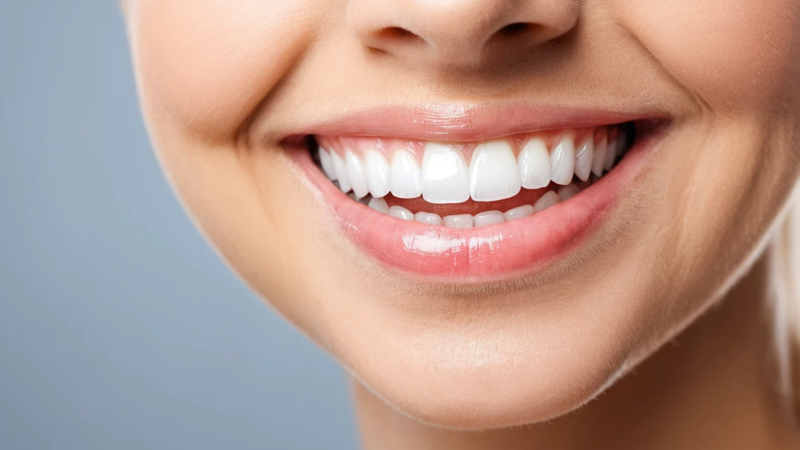
How often should you use teeth whitening strips for best results? Learn the safe frequency, tips, and mistakes to avoid for a brighter smile.
Teeth whitening strips are usually safe to use once a day for 7–14 days, depending on the brand and strength. Most dentists recommend spacing treatments and avoiding overuse to prevent sensitivity and enamel damage. Always follow product instructions and allow rest periods between whitening cycles.
How Often Should You Use Teeth Whitening Strips
Have you ever looked in the mirror and wondered if using whitening strips more often will give you faster results? You’re not alone. Many people think more strips equal whiter teeth. But that’s not always true.
The simple answer is this: most teeth whitening strips should be used once daily for 7 to 14 days, followed by a break period. Overusing them can cause tooth sensitivity and gum irritation. So, consistency matters more than frequency.
Now, let’s break everything down so you can whiten your teeth safely, effectively, and confidently.
What Are Teeth Whitening Strips And How Do They Work 🦷
Teeth whitening strips are thin, flexible plastic strips coated with a whitening gel. This gel usually contains hydrogen peroxide or carbamide peroxide. These ingredients help break down stains on your teeth.
When you place the strips on your teeth, the gel starts working on surface stains and deeper discoloration. Over time, your teeth appear brighter and more even in color.
The process is simple and beginner-friendly. That’s why whitening strips are one of the most popular at-home teeth whitening options today.
Recommended Frequency For Using Teeth Whitening Strips ⏱️
Most brands suggest using whitening strips once per day. Some stronger formulas recommend every other day instead. Always read the product instructions carefully before starting.
Using strips more often than recommended will not speed up results. Instead, it can damage your enamel and increase tooth sensitivity.
Here’s a quick guideline most dentists agree on:
- Use daily for 7–14 days
- Take a break for a few months
- Repeat only when needed
Why You Should Not Use Whitening Strips Too Often ⚠️
It’s tempting to use whitening strips daily for longer than instructed. But overuse can cause more harm than good. Your teeth need recovery time between whitening cycles.
Frequent use may lead to enamel erosion. This can make teeth look dull instead of bright. Ironically, over-whitening can reduce the shine you want.
Also, your gums may become irritated if exposed to bleaching agents too often. That’s why moderation is key for long-term dental health.
How Long A Whitening Strip Treatment Cycle Should Last 📅
A standard whitening strip treatment cycle lasts between 1 and 2 weeks. Some mild formulas extend up to 3 weeks for gradual whitening.
Each session usually lasts 30 minutes. You apply the strips, wait, and remove them. That’s it.
After completing a cycle, it’s best to pause for at least 2–3 months. This helps protect your enamel and maintain results naturally.
| Whitening Strength | Suggested Usage Duration | Break Period |
| Mild Formulas | 14–21 Days | 2–3 Months |
| Moderate Strength | 7–14 Days | 3 Months |
| Professional-Level | 5–10 Days | 4–6 Months |
Signs You Are Using Whitening Strips Too Much 😬
Your teeth will often tell you when you are overdoing it. The most common sign is sharp tooth sensitivity. You may feel pain when eating hot or cold foods.
Another warning sign is gum irritation. Your gums may appear red or feel sore after use. This happens when bleaching gel touches soft tissue.
Watch for these signs:
- Tingling or shooting tooth pain
- White spots on teeth
- Gum soreness
- Increased sensitivity to temperature
How Tooth Sensitivity Affects Whitening Frequency 🧊
Tooth sensitivity plays a big role in how often you should use whitening strips. If you already have sensitive teeth, daily use may be too harsh.
In such cases, dentists suggest using strips every other day. This gives your teeth time to recover between treatments.
You can also switch to sensitive-friendly whitening strips. These formulas contain lower peroxide levels and are gentler on enamel.
Best Time Of Day To Use Teeth Whitening Strips 🌙
The best time to use whitening strips is usually at night. This allows the whitening gel to work without interruption from eating or drinking.
Using them after brushing your teeth also improves effectiveness. Clean teeth allow the whitening gel to stick better and work faster.
Avoid using strips right after eating acidic foods. Your enamel is softer at that time and more vulnerable to irritation.
Factors That Determine How Often You Should Use Them 🔍
Not everyone should use whitening strips at the same frequency. Your ideal schedule depends on several personal factors.
These include your enamel strength, stain level, and tooth sensitivity. Lifestyle habits like coffee, tea, and smoking also matter.
Key factors include:
- Type of stains (surface vs deep)
- Sensitivity level
- Whitening strip strength
- Oral hygiene routine
How Long Results From Whitening Strips Usually Last ✨
Results from whitening strips can last anywhere from 3 to 6 months. This depends on your diet and oral care habits.
If you frequently drink coffee or soda, stains may return faster. Smoking also shortens whitening results significantly.
Maintaining good brushing and flossing habits can extend your results. Occasional touch-up treatments also help maintain brightness.
| Habit | Impact On Whitening Results |
| Drinking Coffee Daily | Faster Staining |
| Smoking | Rapid Discoloration |
| Regular Brushing | Longer Results |
| Using Straw For Drinks | Reduced Stains |
Can You Use Whitening Strips Every Day Safely? 🤔
Yes, you can use whitening strips daily — but only during the recommended treatment cycle. Daily use beyond the cycle is not safe.
Manufacturers design strips for short-term daily use. Long-term daily whitening is not advised by dental professionals.
Always follow the instructions on the packaging. That guidance is based on safe peroxide exposure levels.
Difference Between Whitening Strips And Professional Whitening 💡
Whitening strips are a convenient at-home solution. Professional whitening, however, uses stronger bleaching agents.
Dentist treatments deliver faster and more dramatic results. But they are also more expensive than at-home options.
Whitening strips are ideal for mild to moderate stains. Professional whitening is better for deep discoloration or yellow teeth.
| Feature | Whitening Strips | Professional Whitening |
| Cost | Affordable | Expensive |
| Strength | Mild to Moderate | Strong |
| Speed | Gradual | Fast Results |
| Supervision | Self-Use | Dentist Guided |
Tips To Use Teeth Whitening Strips Effectively 🪥
Using whitening strips the right way improves results and reduces risks. Small mistakes can affect your whitening outcome.
Follow these simple tips:
- Brush before applying strips
- Avoid eating during treatment
- Stick to recommended time
- Store strips in a cool place
- Do not overlap strips on gums
Consistency is more important than overuse. Slow and steady whitening gives better and safer results.
Common Mistakes People Make With Whitening Strips 🚫
Many users believe using multiple strips at once speeds up whitening. This is a myth and can harm enamel.
Another common mistake is skipping breaks between cycles. Teeth need rest to recover from bleaching exposure.
Other mistakes include:
- Sleeping with strips on too long
- Using expired strips
- Not reading instructions
- Whitening with existing cavities
Who Should Avoid Frequent Use Of Whitening Strips 🩺
Not everyone should use whitening strips often. People with dental issues must be extra careful.
If you have thin enamel, gum disease, or cavities, whitening strips may worsen the condition. Pregnant individuals should also consult a dentist first.
Children and teens under 18 should avoid frequent whitening unless recommended by a dentist.
How To Maintain White Teeth Without Overusing Strips 🌟
You don’t need to keep whitening constantly to maintain a bright smile. Smart daily habits can preserve your results longer.
Focus on preventive care instead of repeated whitening cycles. This protects your enamel and keeps teeth healthy.
Helpful habits include:
- Brushing twice daily
- Flossing regularly
- Limiting staining foods
- Drinking water after meals
- Using whitening toothpaste occasionally
Natural Alternatives To Reduce Whitening Frequency 🌿
If you want to whiten less often, natural methods can help maintain brightness. These are gentler and safer for long-term use.
Simple options like oil pulling and baking soda brushing can reduce surface stains. However, they work slower than whitening strips.
Eating crunchy fruits like apples can also help clean teeth naturally. But they should not replace proper dental care.
When To Repeat A Whitening Strip Cycle Safely 🔁
You should wait at least 2 to 6 months before repeating a full whitening strip cycle. This depends on your tooth sensitivity and stain buildup.
Touch-up treatments can be done sooner if needed. But full cycles should always include rest periods.
If your teeth feel sensitive, delay the next cycle. Your enamel health should always come first over cosmetic results.
Conclusion: The Smart Way To Use Teeth Whitening Strips
So, how often should you use teeth whitening strips? The safest and most effective approach is once daily for 7–14 days, followed by a break of several months. Overusing them will not speed up whitening and may harm your teeth.
Stick to the recommended schedule, monitor sensitivity, and maintain good oral hygiene. A balanced routine gives you a brighter smile without damaging your enamel. Whitening is a journey, not a race — and your teeth will thank you for patience.
FAQs
How often should I use whitening strips for yellow teeth?
Use whitening strips once daily for 7–14 days for yellow teeth. Then take a break for a few months. Avoid overuse to prevent sensitivity and enamel damage.
Can I use teeth whitening strips twice a day safely?
Using them twice daily is not recommended unless the product specifically allows it. Overuse can cause irritation and tooth sensitivity. Always follow product instructions carefully.
How many times per year should I whiten teeth with strips?
Most people safely whiten their teeth 2–3 times per year. This depends on stain levels and sensitivity. Longer breaks help protect enamel health.
Do whitening strips damage enamel if used often?
Frequent overuse can weaken enamel over time. Proper usage and rest periods reduce risks. Following instructions keeps whitening safe and effective.
Should I use whitening strips every day or weekly?
Daily use during the treatment cycle is best. Weekly use is less effective for visible whitening. Consistent short cycles deliver better results safely.






Leave a Reply