

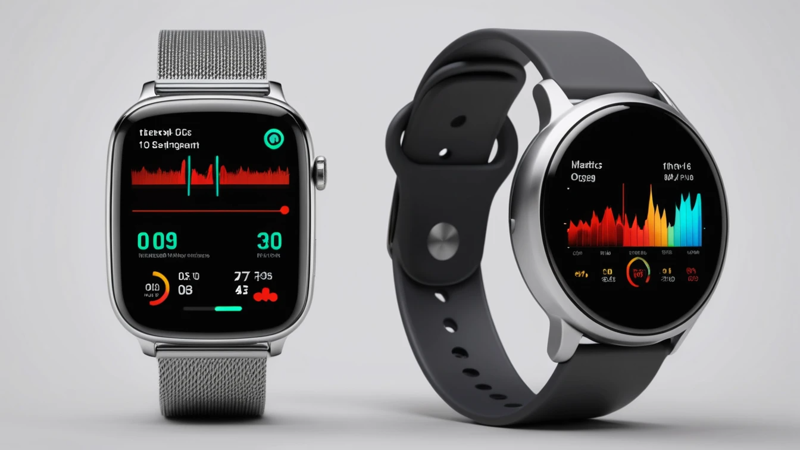
Compare Fitbit vs Apple Watch health features to see which tracker fits your lifestyle, goals, and budget. Simple, clear, and honest breakdown.
Fitbit focuses on long-term health tracking, battery life, and simple insights. Apple Watch delivers advanced health sensors, deep app integration, and smart features. The better choice depends on whether you want health-first simplicity or all-in-one smartwatch power.
Ever wonder which device actually helps you live healthier, not just collect data? 🤔
That’s the real question behind comparing Fitbit and Apple Watch. Both promise better health. But they do it in very different ways. Let’s break it all down so you can choose with confidence.
Compare Fitbit Vs Apple Watch Health 🏃♂️⌚
Understanding The Core Health Philosophy 🧠
Fitbit and Apple Watch start with different goals. Fitbit is built around health habits first. Everything revolves around sleep, steps, heart rate, and recovery. It feels calm and focused.
Apple Watch takes a broader approach. Health is one part of a powerful smartwatch ecosystem. You get deep health data, but also calls, apps, and notifications. It’s busy, but powerful.
If you want simplicity, Fitbit feels lighter. If you want control, Apple Watch feels smarter.
Activity And Fitness Tracking Accuracy 💪
Both devices track daily movement very well. Steps, calories, and active minutes are reliable on both. Fitbit shines with automatic activity detection. You move, it tracks. No tapping needed.
Apple Watch offers more workout types. It also shows richer metrics during workouts. Runners and gym users often prefer this depth.
Quick comparison highlights:
- Fitbit: Simple, passive tracking
- Apple Watch: Detailed, active tracking
- Both: Accurate heart-based calorie estimates
Heart Rate Monitoring And Alerts ❤️
Heart rate tracking is strong on both platforms. Fitbit focuses on trends over time. You see resting heart rate, zones, and weekly changes. It’s easy to understand.
Apple Watch adds real-time alerts. It can warn you about high or low heart rates instantly. This is useful for people with heart concerns.
Fitbit explains patterns. Apple Watch reacts in the moment.
Sleep Tracking And Recovery Insights 😴
This is where Fitbit really stands out. Sleep tracking works automatically every night. You get sleep stages, sleep score, and recovery insights. It feels like a sleep coach on your wrist.
Apple Watch tracks sleep too, but it needs more setup. Battery charging timing matters. The data is detailed, but less friendly.
Why many users prefer Fitbit for sleep:
- Clear sleep score
- Simple charts
- Actionable recovery tips
Stress Management And Mindfulness 🧘
Fitbit includes stress scores and breathing sessions. It uses heart rate variability to estimate stress. The feedback is gentle and easy to follow.
Apple Watch includes mindfulness reminders and guided breathing. It feels more integrated into daily life. The reminders pop up at the right time.
Fitbit explains stress. Apple Watch nudges you to act.
Blood Oxygen And Advanced Sensors 🩸
Both devices track blood oxygen levels during sleep. Fitbit presents this as part of overall wellness. It’s subtle and trend-based.
Apple Watch connects blood oxygen with other health data. It feels more clinical. For users who want deeper insights, this matters.
Here’s a simple breakdown:
| Feature | Fitbit | Apple Watch |
| Blood Oxygen | Sleep-focused trends | On-demand + sleep |
| Heart Health | Long-term insights | Real-time alerts |
| Recovery Focus | Strong | Moderate |
ECG And Health Safety Features 🚨
Apple Watch clearly leads here. ECG readings are available on supported models. Fall detection and emergency SOS are built in. These features can save lives.
Fitbit offers irregular heart rhythm notifications. It’s helpful, but less advanced. For older users or those with health risks, Apple Watch offers more peace of mind.
This is a big decision point for many buyers.
Battery Life And Daily Wearability 🔋
Fitbit devices last several days on one charge. Some last over a week. This makes health tracking effortless. You wear it and forget about charging.
Apple Watch usually lasts one day. Heavy users may charge twice. This affects sleep tracking and convenience.
Battery reality check:
- Fitbit: 5–10 days
- Apple Watch: 18–36 hours
- Less charging = better long-term data
Health Apps And Ecosystem Integration 🔗
Fitbit works across Android and iPhone. The app is simple and clean. Data feels organized and friendly.
Apple Watch only works with iPhone. But the integration is deep. Health data connects with many apps, doctors, and services.
Here’s how they compare:
| Area | Fitbit | Apple Watch |
| Phone Support | Android + iOS | iPhone only |
| App Depth | Simple | Very advanced |
| Customization | Limited | Extensive |
Subscription And Hidden Costs 💳
Fitbit offers a premium subscription. Some advanced insights sit behind a paywall. This can surprise new users.
Apple Watch has no health subscription. You pay more upfront, but features stay unlocked. Over time, this can save money.
It’s a classic trade-off: lower device cost vs ongoing fees.
Ease Of Use For Beginners 👍
Fitbit is very beginner-friendly. The app explains data in plain language. Charts are colorful and clear. You don’t feel overwhelmed.
Apple Watch has a learning curve. There are many settings and notifications. Power users love this. Casual users may feel lost at first.
If you want health without tech stress, Fitbit wins.
Motivation, Goals, And Daily Habits 🎯
Fitbit focuses on streaks, badges, and gentle reminders. It feels encouraging, not pushy. This helps build long-term habits.
Apple Watch uses rings and challenges. Closing rings feels rewarding. The system is motivating, but sometimes intense.
Different styles work for different personalities.
Fitness Coaching And Guided Programs 🏋️
Fitbit Premium includes guided workouts and health programs. These are beginner-friendly and structured.
Apple Watch relies on third-party apps for coaching. This offers flexibility, but also choice overload.
Here’s a quick view:
| Coaching Style | Fitbit | Apple Watch |
| Built-in Programs | Yes | Limited |
| Third-Party Apps | Fewer | Many |
| Beginner Focus | Strong | Moderate |
Design, Comfort, And All-Day Wear 😌
Fitbit devices are light and subtle. Many forget they’re wearing one. This helps with sleep and all-day tracking.
Apple Watch is heavier, but more stylish. Custom bands and faces let you express yourself. It feels like a mini phone on your wrist.
Comfort vs style is a personal choice.
Data Privacy And Health Transparency 🔐
Apple emphasizes privacy strongly. Health data stays encrypted. You control sharing settings in detail.
Fitbit also values privacy, but some users worry about data use. Transparency has improved, but Apple still feels more secure.
If privacy matters deeply, this can sway your decision.
Who Should Choose Fitbit? ✅
Fitbit is ideal if you want:
- Long battery life
- Sleep and recovery focus
- Simple health insights
- Lower upfront cost
It’s perfect for people building healthy habits slowly and consistently.
Who Should Choose Apple Watch? 🚀
Apple Watch fits users who want:
- Advanced health safety features
- ECG and heart alerts
- Deep app integration
- A powerful smartwatch
It’s best for tech-savvy users and iPhone owners.
Final Verdict: Which Is Better For Health? 🏁
There is no single winner. Fitbit is a health companion. Apple Watch is a health powerhouse. Choose based on how involved you want to be with your data and devices.
If you value simplicity, go Fitbit. If you want depth and safety features, go Apple Watch.
Key Takeaways At A Glance ✨
- Fitbit excels in sleep and battery life
- Apple Watch leads in heart safety and smart features
- Fitbit feels calm and focused
- Apple Watch feels powerful and connected
Your lifestyle decides the winner.
FAQs ❓
Is Fitbit more accurate than Apple Watch?
Both are accurate for daily health tracking. Apple Watch is better for real-time alerts. Fitbit excels in long-term trends.
Which is better for sleep tracking health?
Fitbit offers clearer sleep scores and insights. Apple Watch tracks sleep but needs more setup.
Does Apple Watch health work without iPhone?
No, it requires an iPhone. Fitbit works with both Android and iOS.
Is Fitbit health worth the premium subscription?
It depends on your needs. Casual users may skip it. Serious health trackers may benefit.
Which is better for seniors health tracking?
Apple Watch offers fall detection and ECG. These safety features can be very helpful.


Leave a Reply