

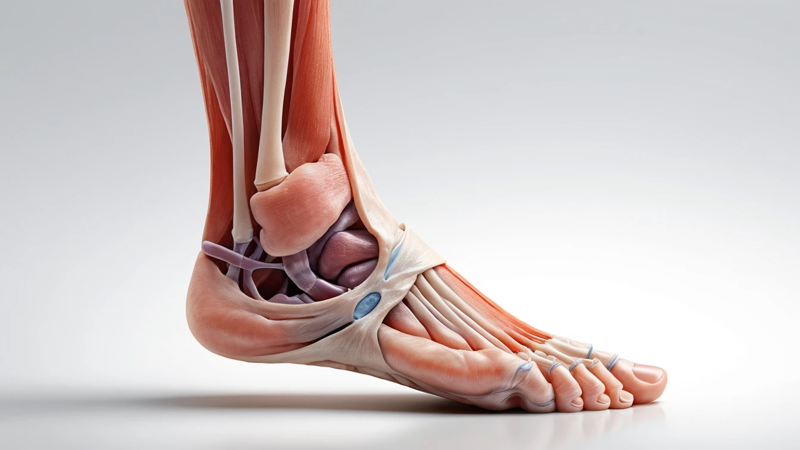
Best shoes for high arches that reduce pain, boost comfort, and improve support. Discover top features, tips, and picks today.
Best shoes for high arches are designed with extra cushioning, proper arch support, and shock absorption to reduce foot pain. They help prevent supination, improve comfort, and support natural foot movement. Choosing the right pair can make walking, running, and daily activities much easier.
Best Shoes For High Arches 👟
Ever feel like your feet are doing all the work… but getting none of the support?
If you have high arches, you already know the struggle. Your feet don’t absorb shock well. That leads to pain, fatigue, and even injuries. The good news? The right shoes can completely change how you feel on your feet.
Let’s break it all down in a simple way.
What Are High Arches And Why They Matter 🦶
High arches happen when the middle part of your foot is raised more than normal. This means less of your foot touches the ground. Sounds small, right? But it changes everything.
Because of this shape, your feet don’t absorb impact properly. Instead, pressure goes to your heel and toes. That’s why many people feel pain after standing or walking for long hours.
You might also notice your shoes wear out unevenly. That’s a sign of supination, where your foot rolls outward. Over time, this can lead to knee or back issues too.
How To Know If You Have High Arches 🔍
Not sure if you have high arches? There are easy ways to check at home.
Try the wet test. Wet your foot and step on a piece of paper. If you see very little of your arch, you likely have high arches.
Other signs include:
- Pain in the heel or ball of the foot
- Frequent ankle sprains
- Difficulty finding comfortable shoes
- Calluses on the outer edges
If these sound familiar, it’s time to upgrade your footwear.
Why Regular Shoes Don’t Work Well ❌
Most regular shoes are built for neutral or flat feet. That’s the problem.
They often lack enough cushioning. For high arches, cushioning is not optional—it’s essential. Without it, your feet take all the shock.
Also, regular shoes don’t support the arch properly. This leads to instability and discomfort. Over time, it can make walking feel like a chore.
Key Features To Look For In Shoes For High Arches ⭐
Choosing the right shoes doesn’t have to be confusing. Focus on these features:
- Cushioning: Soft midsoles absorb impact
- Arch Support: Keeps your foot stable
- Flexible Sole: Allows natural movement
- Wide Toe Box: Prevents pressure on toes
- Heel Support: Adds stability
Pro tip: Always try shoes at the end of the day when your feet are slightly swollen.
Cushioning Vs Support – What Matters More? 🤔
Here’s the truth—you need both.
Cushioning reduces impact. Support keeps your foot aligned. If you only have one, problems can still happen.
Think of cushioning as comfort and support as structure. Together, they create balance. That’s exactly what high arches need.
Best Types Of Shoes For High Arches 🏃
Different activities need different shoes. Let’s look at the main types.
- Running Shoes: Designed for shock absorption
- Walking Shoes: Focus on comfort and flexibility
- Casual Sneakers: Good for daily wear
- Work Shoes: Provide all-day support
Each type should still include strong arch support and cushioning.
Running Shoes For High Arches 🏃♂️
Running with high arches can be tough without proper shoes. The impact is much higher than walking.
Look for shoes with:
- Extra cushioning
- Lightweight design
- Flexible soles
These features help reduce stress on your feet. You’ll notice less fatigue and better performance.
Walking Shoes For High Arches 🚶
Walking shoes should feel soft yet stable.
You want something that supports your arch but still allows natural movement. Too stiff? It’ll feel uncomfortable. Too soft? It won’t support you.
Balance is key here. Always check how the shoe feels after a few minutes of walking.
Everyday Sneakers For Comfort 👟
Not every day involves running or workouts. That’s where casual sneakers come in.
These shoes should still offer:
- Good cushioning
- Arch support
- Breathable material
Comfort should never be compromised, even for casual wear.
Best Shoe Features Comparison 📊
| Feature | Why It Matters | Ideal Choice |
| Cushioning | Reduces impact | Soft foam midsoles |
| Arch Support | Stabilizes foot | Built-in or removable |
| Flexibility | Natural movement | Moderate flexibility |
| Heel Support | Prevents rolling | Firm heel counter |
Materials That Make A Difference 🧵
The material of your shoes plays a big role.
- Mesh: Lightweight and breathable
- Foam: Adds cushioning
- Rubber Sole: Provides grip
High-quality materials improve durability and comfort. Always check what your shoes are made of.
Common Mistakes To Avoid 🚫
Many people choose the wrong shoes without realizing it.
Here are mistakes to avoid:
- Buying based on looks only
- Ignoring arch support
- Choosing tight shoes
- Skipping proper fitting
Avoid these, and your feet will thank you.
Benefits Of Wearing The Right Shoes 🎯
The right shoes do more than just feel good.
They help:
- Reduce foot pain
- Improve posture
- Prevent injuries
- Increase comfort
You’ll also feel less tired after long days. That’s a huge win.
Best Shoe Brands For High Arches 🏆
Some brands focus more on comfort and support.
Popular choices include:
- ASICS
- Brooks
- New Balance
- HOKA
These brands often design shoes with advanced cushioning and support features.
Price Vs Comfort – What Should You Choose? 💰
Cheap shoes might save money now. But they can cost you later in pain.
Investing in good shoes is worth it. You don’t need the most expensive pair. Just focus on comfort and support.
Think of it as an investment in your health.
Shoe Fit Guide For High Arches 📏
Getting the right size is just as important as features.
| Fit Element | What To Check | Tip |
| Length | Space at the toe | Half-inch gap |
| Width | No tightness | Try wide sizes if needed |
| Arch Placement | Aligns with your arch | Test while walking |
A good fit prevents discomfort and improves performance.
Insoles And Orthotics – Do You Need Them? 🦾
Sometimes, even good shoes need extra support.
Insoles can:
- Add cushioning
- Improve arch support
- Reduce pain
Custom orthotics are even better for severe cases. They are designed specifically for your feet.
Signs Your Shoes Are Not Right ⚠️
Wearing the wrong shoes can cause issues.
Watch for:
- Foot pain after short walks
- Uneven shoe wear
- Blisters or calluses
If you notice these signs, it’s time to switch.
Daily Care Tips For Your Shoes 🧼
Taking care of your shoes helps them last longer.
- Clean them regularly
- Let them air out
- Replace worn-out pairs
Good maintenance keeps your feet comfortable.
Final Thoughts – Step Into Comfort 👣
Finding the best shoes for high arches isn’t just about style. It’s about comfort, support, and long-term health. When you choose the right pair, you reduce pain, improve movement, and feel better every day.
So next time you shop for shoes, don’t settle. Your feet deserve better.
FAQs
What are the best shoes for high arches running?
Look for running shoes with extra cushioning and flexibility. They help absorb shock and reduce stress on your feet. Brands like ASICS and Brooks are great options.
Are flat shoes bad for high arches?
Yes, flat shoes lack proper arch support. This can lead to discomfort and pain. Always choose shoes with built-in support.
How do I know if shoes support high arches?
Check for cushioning, arch support, and flexibility. Try walking in them to feel the comfort. Proper fit also matters.
Can insoles fix high arch problems?
Insoles can help improve support and comfort. They reduce pressure on your feet. Custom orthotics offer even better results.
How often should I replace shoes for high arches?
Replace them every 6–12 months depending on use. Worn-out shoes lose support and cushioning. Always check for signs of wear.

Leave a Reply