

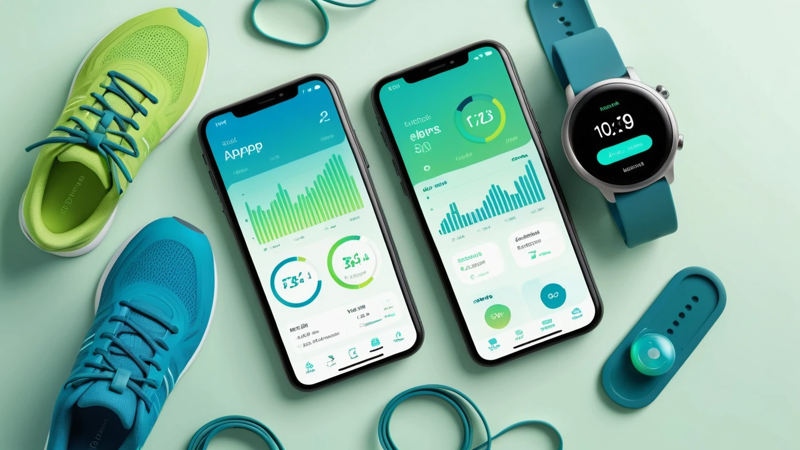
Fitness apps for tracking steps and calories burned help you stay active, motivated, and healthy using smart data, goals, and daily insights.
Fitness apps for tracking steps and calories burned help you monitor daily movement, estimate calorie usage, and build healthier habits using your phone or wearable device. These apps turn everyday walking into measurable progress. They show clear data, simple goals, and motivation that fits real life.
Ever wondered how many calories you actually burn in a normal day 🤔? Or if those steps really add up to better health? Fitness apps make those answers clear, simple, and motivating. They are designed for regular people, not pro athletes. And yes—they really work.
At their core, fitness apps for tracking steps and calories burned focus on one goal. They help you move more and understand your body better. Most apps use your phone sensors or wearables to track steps, distance, and estimated calories. The best ones turn that data into action.
Understanding The Real Purpose Of Fitness Apps 🧠
Fitness apps are not just fancy pedometers. Their real purpose is behavior change. They help you notice patterns and make better choices every day.
These apps track steps, calories, and active minutes automatically. You do not need manual input all the time. This makes them easy for beginners. Over time, the data builds awareness and consistency.
Another key purpose is motivation. Seeing progress feels good 😊. Daily streaks, reminders, and goals push users to keep going. Small wins create long-term habits.
How Step Tracking Actually Works 📱
Step tracking relies on motion sensors inside your phone or wearable. These sensors detect movement patterns. The app then converts them into steps.
Most modern fitness apps use accelerometers and algorithms. They filter out random movements. This improves accuracy during walking or running.
Step tracking is not perfect. But it is consistent. That consistency matters more than exact numbers. Over time, trends show real improvement.
How Calorie Burn Is Estimated 🔥
Calories burned are calculated using formulas. These formulas combine your steps, speed, weight, age, and height. Some apps also include heart rate.
The number you see is an estimate, not a medical fact. But it is close enough for daily fitness goals. It helps users understand effort levels.
Calorie tracking becomes more accurate with wearables. Devices with heart rate sensors adjust calculations in real time. This adds another layer of insight.
Benefits Of Using Fitness Apps Daily 💪
Using fitness apps daily builds awareness. You start noticing how much you actually move. This alone can change behavior.
These apps also encourage consistency. Daily goals and reminders keep you active even on busy days. Progress feels visible and rewarding.
Other benefits include:
- Better weight management
- Improved heart health
- Increased motivation
- Clear fitness accountability
Small actions tracked daily lead to big results over time.
Key Features To Look For In A Fitness App ✅
Not all fitness apps are created equal. Some focus only on steps. Others offer deeper insights.
Look for apps that include:
- Automatic step tracking
- Calorie burn estimates
- Goal setting tools
- Progress charts
- App or wearable sync
Simple interfaces matter too. If the app feels confusing, you will stop using it. Clean design keeps users engaged.
Popular Types Of Fitness Tracking Apps 📊
Fitness apps fall into a few clear categories. Each type serves a different user need.
| App Type | Best For | Main Focus |
| Step Counter Apps | Beginners | Daily movement |
| Calorie Tracking Apps | Weight goals | Energy balance |
| Wearable-Linked Apps | Fitness enthusiasts | Accuracy |
| Lifestyle Fitness Apps | Long-term health | Habit building |
Choosing the right type depends on your goal. Walking more needs simplicity. Fat loss needs calorie awareness.
Step Goals And Why They Matter 🚶♂️
Step goals give your day structure. They turn movement into a challenge instead of a chore.
Most apps suggest 8,000–10,000 steps per day. But that number is flexible. Beginners can start lower and build up.
What matters most is consistency. Hitting your goal regularly builds confidence. Confidence leads to lasting habits.
How Fitness Apps Keep You Motivated 🎯
Motivation is built into the design. Fitness apps use psychology to keep users engaged.
Common motivation tools include:
- Daily streaks
- Badges and milestones
- Gentle reminders
- Weekly progress summaries
These features create positive feedback loops. You move, you see progress, you feel good. That cycle keeps going.
Using Fitness Apps For Weight Management ⚖️
Fitness apps support weight goals by combining steps and calorie burn. This creates a clearer picture of daily activity.
Many apps show how movement impacts calorie balance. Walking more means more flexibility with food choices. This feels empowering.
Apps also help users avoid extremes. They promote steady progress instead of crash diets. That approach is healthier and more sustainable.
Accuracy Limits You Should Understand ⚠️
No fitness app is 100% accurate. And that is okay.
Step counts may vary slightly. Calorie estimates are averages. Factors like stride length and terrain can affect numbers.
The key is trend tracking, not perfection. If your steps increase over time, you are improving. Focus on direction, not decimals.
Fitness Apps And Mental Health Benefits 🧘
Movement improves mood. Fitness apps make movement easier to maintain.
Daily walking reduces stress and anxiety. Tracking progress adds a sense of control. That can boost mental well-being.
Many users report better sleep too 😴. Seeing activity data encourages balanced routines. Physical health and mental health work together.
Choosing Between Free And Paid Fitness Apps 💸
Free fitness apps cover basic needs well. They track steps, calories, and daily goals.
Paid apps offer deeper insights. These may include coaching, advanced analytics, or custom plans. They are useful for serious goals.
| Feature | Free Apps | Paid Apps |
| Step Tracking | Yes | Yes |
| Calorie Estimates | Yes | Yes |
| Advanced Insights | Limited | Full |
| Coaching Support | No | Yes |
Start free. Upgrade only if you need more structure.
Syncing Fitness Apps With Wearables ⌚
Wearables improve accuracy and convenience. They track heart rate, sleep, and movement all day.
Most fitness apps sync easily with smartwatches or bands. This creates a fuller health picture.
Wearables also remove phone dependency. You can track steps without carrying your phone everywhere. That makes tracking effortless.
Privacy And Data Safety Considerations 🔒
Fitness apps collect personal data. This includes movement, health stats, and sometimes location.
Choose apps with clear privacy policies. Look for options to control data sharing. Transparency matters.
Avoid apps that require unnecessary permissions. Your health data should stay yours. Trust is essential for long-term use.
How To Build A Routine With Fitness Apps 🔁
Apps work best when used daily. The key is simplicity.
Start by checking your steps each night. Set a realistic goal for tomorrow. Repeat.
Helpful routine tips include:
- Walk at the same time daily
- Use reminders wisely
- Celebrate small wins
Consistency beats intensity every time.
Common Mistakes Users Make 🚫
Many users quit too early. They expect fast results. Fitness apps support progress, not magic.
Another mistake is obsessing over numbers. Steps and calories guide you. They should not control you.
Avoid comparing your data with others. Everyone’s body is different. Focus on your own journey.
The Future Of Fitness Tracking Apps 🚀
Fitness apps are evolving fast. AI-based insights are becoming common.
Future apps will personalize goals better. They will adapt to lifestyle changes. This makes tracking smarter and more human.
Integration with health systems may also grow. Fitness data could support preventive care. That is a powerful shift.
Final Thoughts On Fitness Apps For Tracking Steps And Calories Burned 🌟
Fitness apps for tracking steps and calories burned simplify healthy living. They turn movement into visible progress. With clear data, gentle motivation, and easy tracking, these apps support lasting habits. Choose one that fits your lifestyle. Then just keep moving.
Frequently Asked Questions ❓
What Are The Best Fitness Apps For Step Tracking?
The best apps track steps automatically and show clear daily goals. Look for simple design and reliable data. Free apps work well for most users.
How Accurate Are Calorie Burn Estimates In Apps?
Calorie estimates are averages based on your data. They are not exact. They are useful for tracking trends and effort.
Do Fitness Apps Work Without Internet Access?
Yes, most apps track steps offline. Data syncs when internet returns. This makes them reliable anywhere.
Can Fitness Apps Help With Weight Loss Goals?
Yes, they support weight loss by increasing awareness. More steps mean higher calorie burn. Consistency matters most.
Are Fitness Apps Safe To Use Daily Long-Term?
Yes, when used mindfully. Focus on trends, not perfection. Choose apps with strong privacy controls.






Leave a Reply